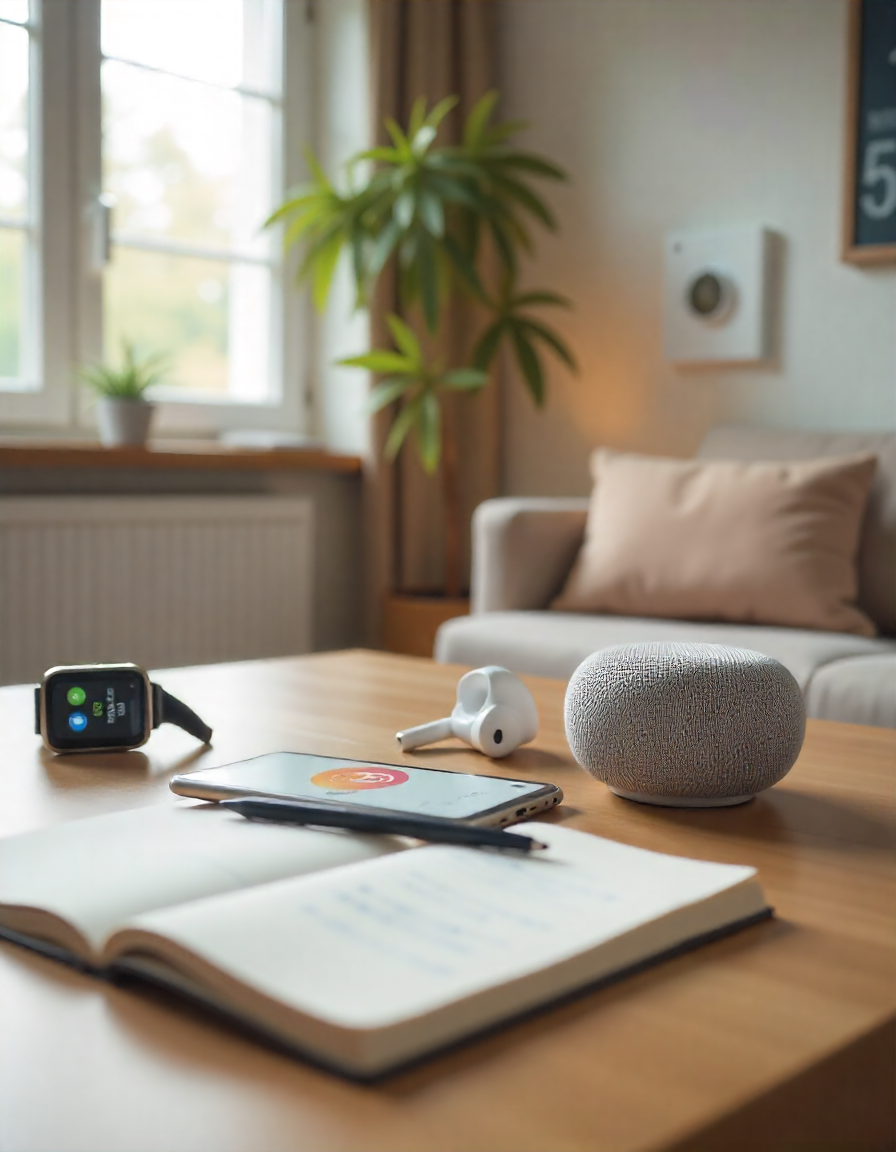
Technology moves fast. Every year, new devices emerge promising to make life easier, faster, or more entertaining. But beyond the flashy launches and headline-grabbing specs, there’s a more subtle transformation happening — one that affects how we live, work, and connect on a daily basis.
This isn’t about the latest must-have gadget, but rather about how everyday tech quietly integrates into routines and reshapes habits, often in ways we don’t immediately notice.
The Rise of Seamless Integration
Gone are the days when gadgets were standalone tools. Now, devices form ecosystems — interconnected networks that talk to each other behind the scenes.
For example, a smart thermostat learns your schedule and adjusts heating without you lifting a finger. Your smartphone can unlock your car or turn on the lights as you approach your home. This seamless integration turns individual gadgets into parts of a larger, responsive environment.
The real value lies in frictionless experiences: technology working without constant input, anticipating needs, and simplifying tasks.
Redefining Productivity
Portable devices like smartphones and tablets have long changed the way we work, but recent gadgets are pushing this even further. Consider wireless earbuds that translate languages in real-time or smart pens that digitize handwritten notes instantly.
These tools don’t just help you get things done faster; they expand what’s possible. Creative professionals can sketch on digital canvases with intuitive tools, while remote workers use multiple connected devices to stay organized and collaborate effortlessly.
In essence, gadgets today aren’t just productivity boosters — they’re productivity transformers.
Health and Wellness Tech Going Mainstream
Fitness trackers and smartwatches started as niche gadgets for enthusiasts but have now become mainstream. What’s interesting is how these devices have evolved from counting steps to monitoring heart rhythms, tracking sleep stages, and even detecting stress.
More advanced wearables can alert users to irregular heartbeats or guide them through breathing exercises during anxious moments. Meanwhile, home devices like smart scales and air quality monitors offer data that used to require specialized equipment.
This shift brings health awareness directly into the hands of everyday users, encouraging proactive habits and personal responsibility.
The Quiet Power of Voice Control
Voice assistants have become standard features on many gadgets, yet their potential is still unfolding. Beyond setting timers or checking weather, voice commands now control complex home systems, schedule appointments, and even place orders without lifting a finger.
This hands-free interaction opens up accessibility for people with mobility or vision challenges, making technology more inclusive. It also changes how we think about interacting with machines — from typing and tapping to simply speaking naturally.
Privacy in an Increasingly Connected World
With connectivity comes concern. As gadgets collect more data, questions about privacy and security grow louder. Today’s consumers are more aware and cautious, demanding transparent data policies and stronger safeguards.
Manufacturers respond by building encryption into devices, offering local data storage options, and providing clearer user controls. This dialogue between users and makers shapes the future of gadget design — one where trust becomes as important as functionality.
Sustainability and the Future of Gadgets
Electronic waste is a growing issue. As people replace devices frequently, discarded gadgets pile up, creating environmental strain. In response, some companies are prioritizing sustainability by using recyclable materials, designing for repairability, and offering trade-in programs.
Consumers increasingly value these efforts, making sustainability a factor in purchasing decisions. The gadgets of tomorrow might be defined not just by their features, but by their environmental impact and lifecycle.
The Social Impact of Everyday Tech
Devices influence social interactions more than ever. Smartphones and social media shape how we communicate, but smaller gadgets also affect connections. For instance, smart photo frames allow families to share memories across distances, while connected gaming consoles bring friends together virtually.
However, the balance between digital and face-to-face interaction remains delicate. As technology mediates more experiences, awareness about screen time and meaningful engagement becomes critical.
What’s Next? The Shift Toward AI-Enhanced Devices
Artificial intelligence is no longer confined to research labs. It’s embedded in many gadgets, from smart cameras that recognize faces to home assistants that anticipate your needs based on patterns.
This evolution promises even more personalized and intuitive experiences. But it also raises questions about how much control we’re comfortable handing over to machines. Navigating this balance will be key in the coming years.
Choosing Gadgets That Truly Enhance Life
With so many options available, selecting the right devices can feel overwhelming. Instead of chasing every new release, consider these questions:
-
Does this gadget solve a real problem or improve a daily routine?
-
How easily does it fit into my existing setup?
-
What is the learning curve and ongoing maintenance?
-
How transparent is the company about data use and support?
Prioritizing thoughtful choices over impulse buys ensures technology adds value rather than clutter.
Final Thoughts
The gadgets around us are more than just tools; they’re extensions of our habits, needs, and values. Their influence is subtle but profound, reshaping how we interact with the world and each other.
By understanding these shifts, we can navigate technology with intention — embracing innovation without losing sight of what truly matters in our everyday lives.