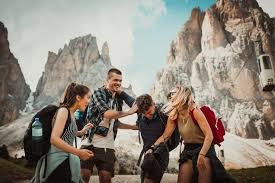
Travel is more than moving from one destination to another; it is a journey of discovery, perspective, and connection. Each trip, whether short or long, domestic or international, has the potential to transform the way we see the world and ourselves. Beyond the allure of famous landmarks or pristine beaches, travel nurtures curiosity, empathy, and a sense of belonging in a diverse world.
In recent years, travel has evolved dramatically. Modern technology, global connectivity, and shifting cultural trends have expanded possibilities while introducing new considerations. From sustainable tourism to immersive local experiences, the art of travel is now as much about engagement as it is about exploration.
This article explores the enduring appeal of travel, practical tips for meaningful experiences, emerging trends, and the ways travel can enrich life beyond the journey itself.
The Emotional Landscape of Travel
Travel is inherently emotional. The anticipation of a new destination, the first glimpse of a historic cityscape, or the quiet moment watching a sunset on a secluded beach—these experiences resonate far beyond the immediate.
Studies show that travel contributes to happiness by breaking routines, offering novelty, and providing memorable experiences. It also strengthens social bonds, whether traveling with friends and family or connecting with locals along the way. Moments of shared laughter, unexpected kindness, or cultural exchange often remain vivid long after the journey ends.
The emotional rewards of travel extend to personal growth. Navigating unfamiliar environments encourages problem-solving, adaptability, and resilience. Travelers learn patience in airports, flexibility when plans change, and humility when encountering perspectives different from their own.
Planning Meaningful Travel
Effective planning enhances the quality of any journey. While spontaneity can be exhilarating, thoughtful preparation ensures that time, resources, and energy are optimized.
1. Defining Travel Objectives
Every trip has a purpose, whether it’s relaxation, adventure, cultural immersion, or personal reflection. Defining objectives early helps shape the itinerary, choose accommodations, and prioritize activities.
2. Researching Destinations
Understanding local customs, language basics, transportation options, and cultural etiquette fosters smoother travel and deeper engagement. Travelers who invest in preparation often discover hidden gems and form more meaningful connections with communities.
3. Balancing Popular and Offbeat Experiences
While iconic landmarks are must-see, venturing beyond crowded tourist areas offers richer, more authentic experiences. Small neighborhoods, local markets, and community events reveal the essence of a place in ways that guidebooks cannot fully capture.
4. Packing Thoughtfully
Packing is both practical and symbolic. Minimizing excess luggage encourages mobility and reduces stress, while carefully chosen items can support sustainable and responsible travel practices, such as reusable water bottles, eco-friendly toiletries, and versatile clothing.
Sustainable and Responsible Travel
Modern travelers increasingly recognize the responsibility inherent in exploring new places. Sustainable tourism emphasizes minimizing environmental impact, respecting local cultures, and contributing positively to host communities.
Key practices include:
-
Supporting Local Economies: Staying in locally owned accommodations, dining at family-run restaurants, and purchasing handcrafted goods ensures travel benefits local populations.
-
Mindful Transportation Choices: Opting for trains, buses, or shared transportation reduces carbon footprints compared with frequent short flights.
-
Environmental Awareness: Avoiding single-use plastics, participating in conservation efforts, and respecting natural habitats helps preserve destinations for future generations.
-
Cultural Sensitivity: Learning basic phrases, understanding local norms, and respecting sacred sites promotes cross-cultural respect and mutual appreciation.
Sustainable travel enriches experiences by fostering deeper connections with people, culture, and the environment, transforming a vacation into a mindful journey.
Immersive Travel Experiences
The most memorable trips often involve immersion rather than observation. Immersive travel encourages active participation, cultural exchange, and personal engagement.
-
Culinary Exploration: Sampling local cuisine, participating in cooking classes, or visiting farms and markets provides insight into traditions, history, and everyday life.
-
Cultural Workshops: Learning traditional crafts, attending music and dance performances, or joining local festivals fosters a sense of belonging and understanding.
-
Community Engagement: Volunteering, educational tourism, or guided experiences with local hosts creates meaningful connections and supports sustainable initiatives.
Immersion shifts travel from passive sightseeing to active engagement, leaving a lasting impression on both traveler and host community.
Travel and Personal Growth
Travel often catalyzes self-reflection and personal development. Exposure to unfamiliar environments and cultures challenges assumptions, broadens perspectives, and encourages empathy.
Adventurous experiences—hiking in remote landscapes, navigating bustling urban centers, or trying new activities—build confidence and resilience. Solitude during travel can also encourage introspection, mindfulness, and mental clarity, providing a reset from routine pressures.
Furthermore, travel fosters adaptability. Unplanned events such as flight delays, unexpected detours, or language barriers teach patience, problem-solving, and creativity, skills applicable well beyond travel itself.
Technology and Travel
Technology has transformed travel planning, navigation, and experiences. Mobile apps, travel blogs, and mapping services provide instant access to information, reviews, and recommendations. Digital platforms simplify bookings for flights, accommodations, and activities, making exploration more accessible than ever.
However, technology can also detract from immersion. Travelers are often encouraged to balance convenience with presence, avoiding overreliance on screens and social media. Mindful use of technology allows for both ease of planning and deeper engagement with the destination.
Emerging Trends in Travel
Several trends are shaping modern travel experiences:
-
Experiential Tourism: Travelers seek authentic, memorable experiences rather than simply checking off attractions.
-
Eco-Tourism: Destinations offering nature-based, environmentally responsible travel opportunities are gaining popularity.
-
Slow Travel: Emphasizing deeper exploration and longer stays in fewer locations encourages meaningful engagement.
-
Digital Nomadism: Remote work allows travel to blend seamlessly with professional life, creating extended, immersive experiences.
-
Wellness Travel: Wellness-focused trips, including retreats, yoga workshops, and nature immersion, prioritize mental and physical rejuvenation.
These trends reflect a growing desire for travel that is transformative, intentional, and impactful.
Practical Tips for Enriching Travel
To maximize the benefits of any trip, travelers can adopt several strategies:
-
Prioritize Quality Over Quantity: Fewer experiences, explored in depth, often leave a more lasting impression than rushing through many sites.
-
Engage with Locals: Conversation, shared meals, and participation in community life deepen understanding and appreciation.
-
Document Experiences Thoughtfully: Journals, photography, or sketches capture memories without dominating the present moment.
-
Stay Open-Minded: Flexibility and curiosity allow travelers to embrace unexpected opportunities and challenges.
-
Reflect and Share: Post-trip reflection fosters learning and allows insights to inform future journeys.
The Transformative Nature of Travel
Travel is transformative because it connects us to the broader world and to ourselves. It challenges assumptions, exposes us to new ideas, and strengthens empathy. By embracing sustainable, immersive, and mindful practices, travelers contribute positively to the communities they visit while gaining experiences that shape character, perspective, and creativity.
Whether wandering through historic cities, hiking remote trails, or connecting with local communities, travel leaves an imprint far beyond photographs or souvenirs. It is an ongoing journey of curiosity, engagement, and personal evolution.
Closing Thoughts
Travel is more than leisure; it is a gateway to understanding, growth, and human connection. In a world of increasing pace and digital saturation, slowing down to experience new cultures, landscapes, and people provides clarity, inspiration, and perspective.
Meaningful travel combines planning with spontaneity, technology with mindfulness, and curiosity with cultural respect. The most rewarding journeys are those that leave travelers enriched, communities respected, and memories cherished.
In essence, travel transforms. It expands horizons, fosters empathy, and reminds us that while the world is vast, human connection makes it intimately accessible. Every journey becomes an opportunity to learn, grow, and rediscover the beauty, complexity, and wonder of life itself.